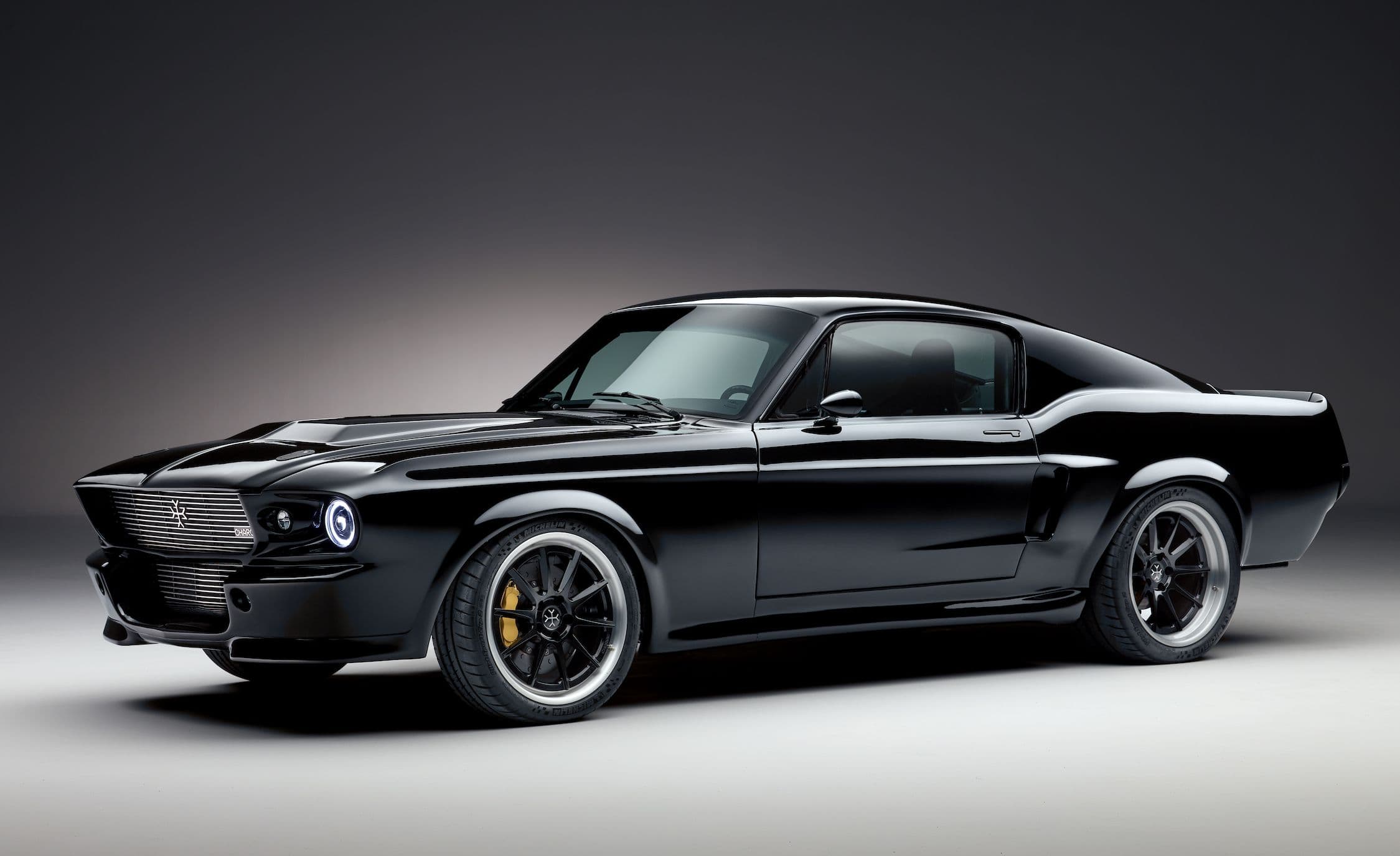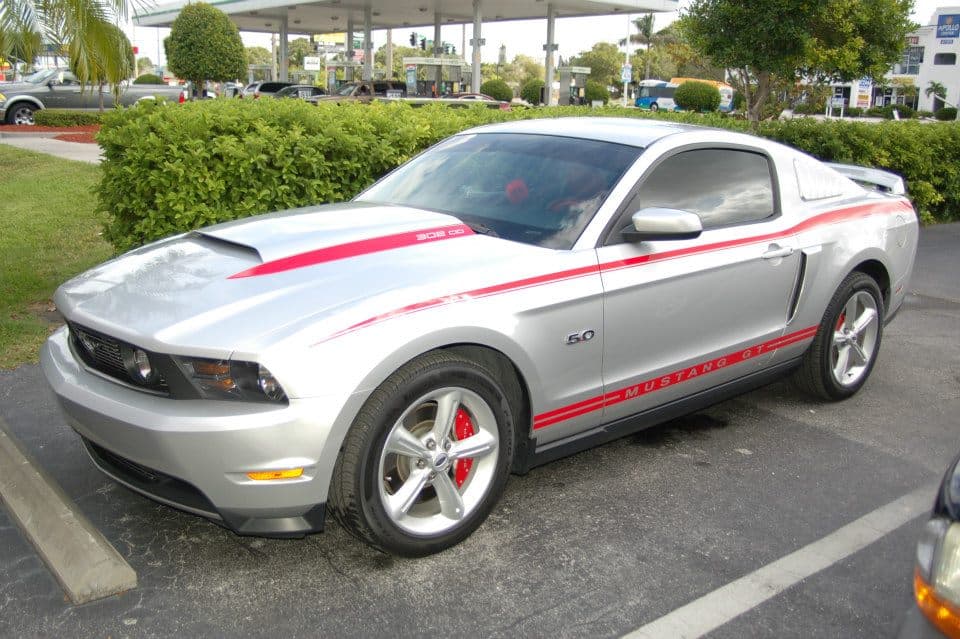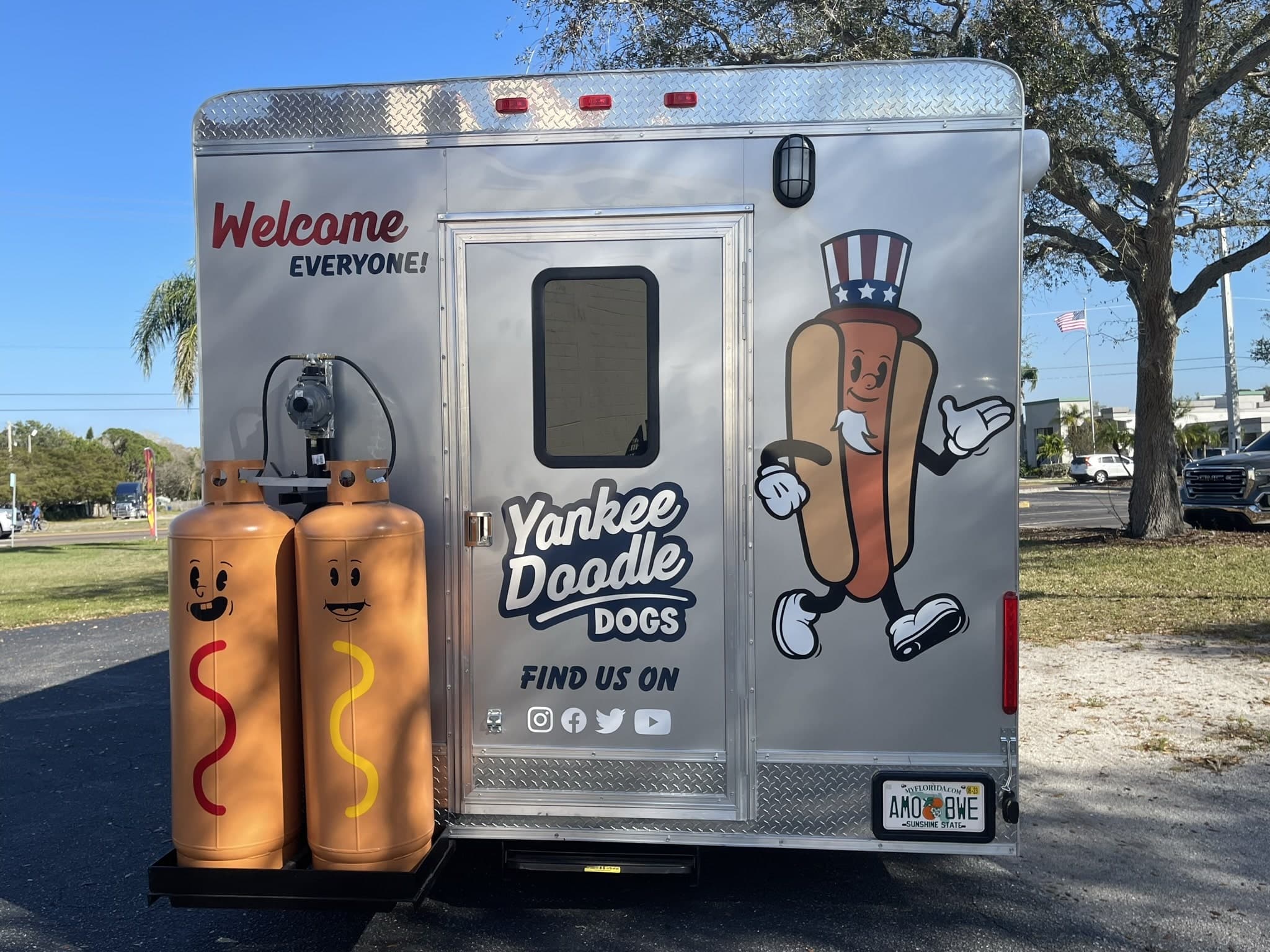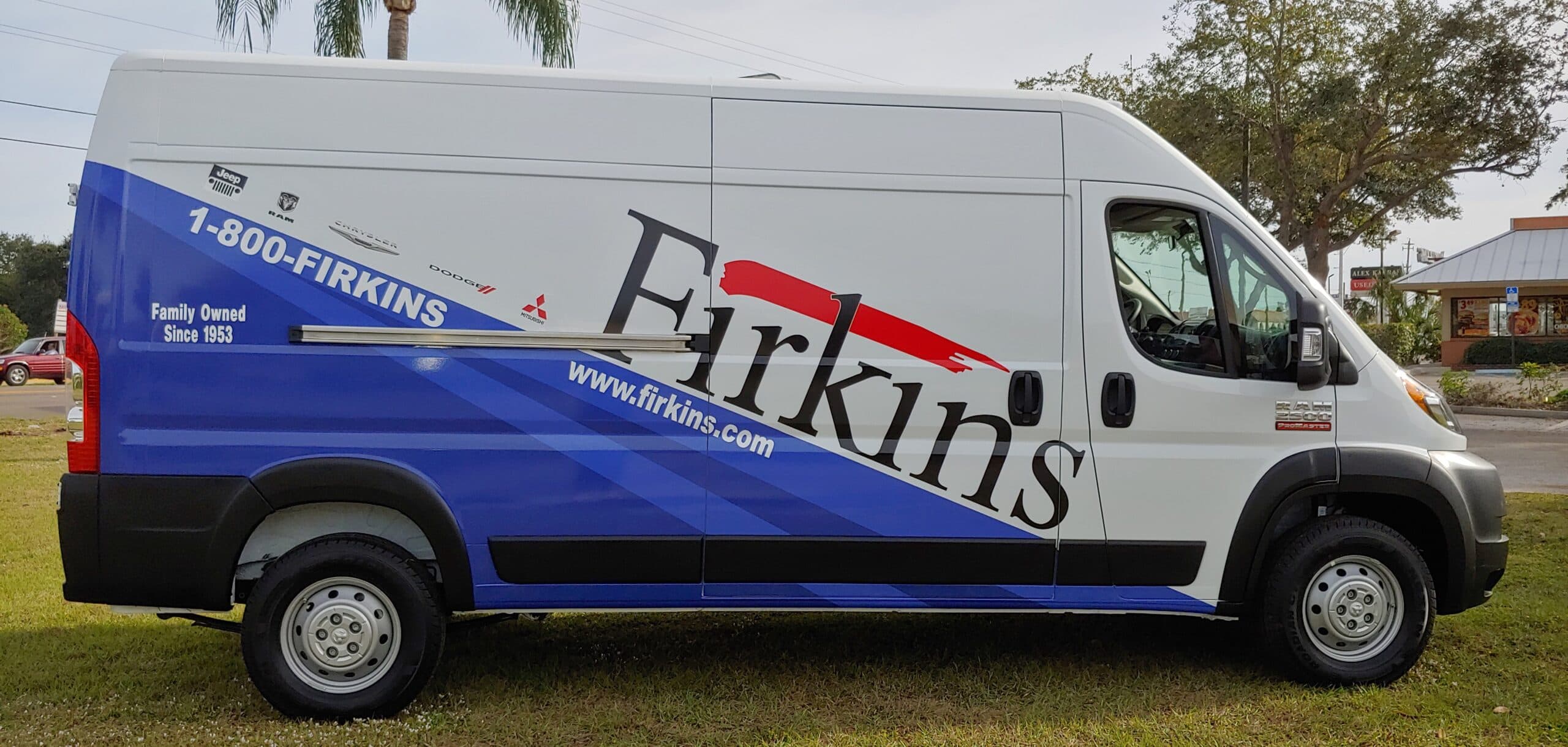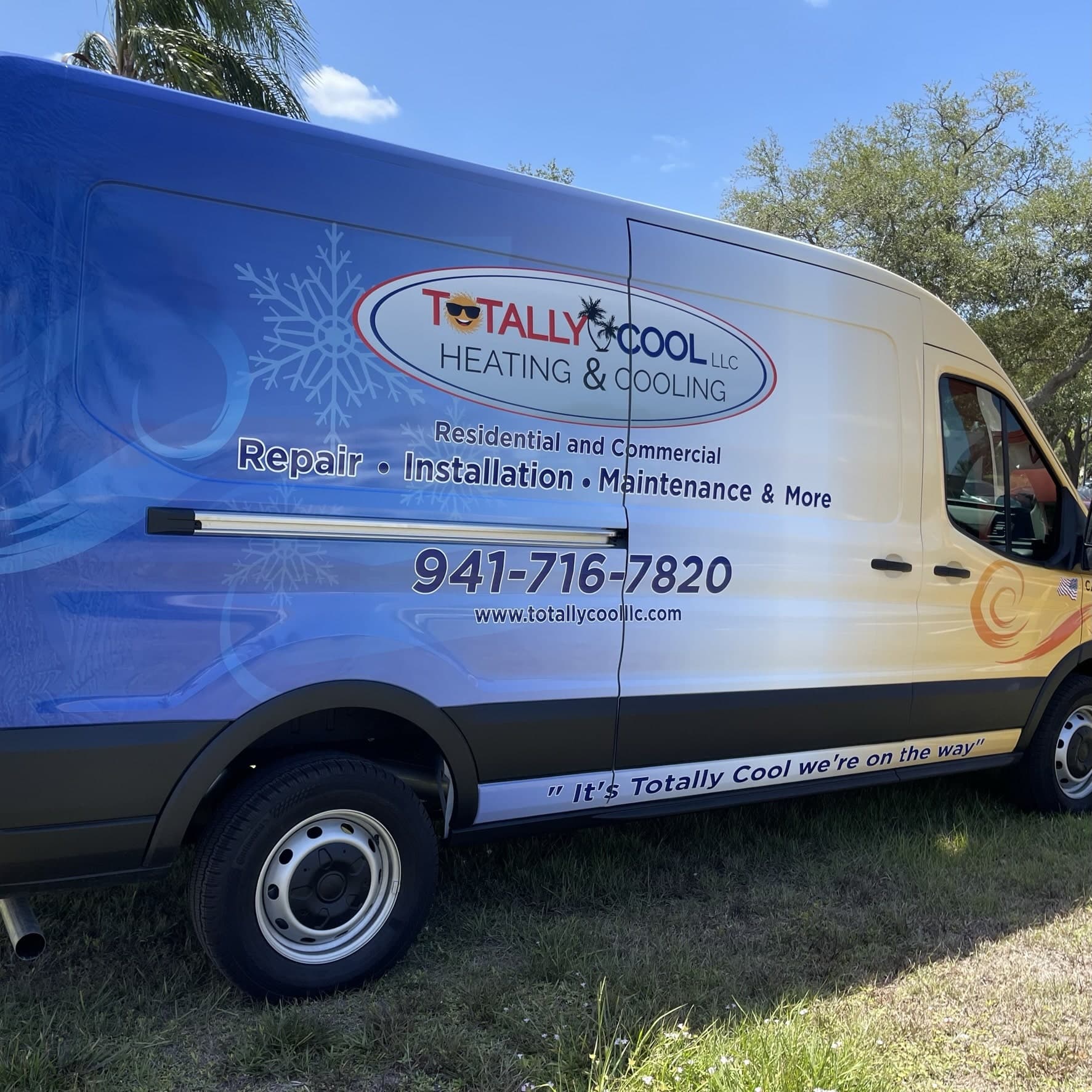
Vehicle wraps are the better choice for most drivers who want a color change, custom graphics, or brand promotion. Wraps are fully reversible, cost a fraction of a quality paint job, protect your original finish underneath, and can be completed in just a few days. Paint remains the right choice when you need to repair significant body damage or want an ultra-specific factory-match finish that will last decades. Here is a detailed breakdown to help you choose.
What Are the Key Advantages of a Vehicle Wrap?
The single biggest advantage of a vehicle wrap is reversibility. When you wrap a vehicle, the original factory paint is preserved underneath a protective vinyl layer. If you change your mind, want to update your branding, or decide to sell the vehicle, the wrap can be professionally removed to reveal the untouched paint beneath. This preserves resale value in a way that a repaint simply cannot.
Cost is the second major advantage. A high-quality full-body paint job from a reputable collision center — with proper prep, primer, base coat, clear coat, and color sanding — costs several thousand dollars and takes weeks. A professional-grade full vehicle wrap using 3M or Avery Dennison materials costs a fraction of that price and is typically completed in three to five business days. For businesses running fleet vehicles, this cost difference multiplies across every unit.
Wraps also offer a design flexibility that paint cannot match. Want a matte finish, a satin metallic, a chrome delete, a carbon fiber texture, or a full custom graphic with your logo and contact information? All of these are possible with vinyl, and they can be mixed on a single vehicle. A matte black hood with gloss body panels, racing stripes that follow complex body lines, or a photographic-quality image covering an entire trailer — wraps handle all of these with precision.
Finally, wraps provide a layer of physical protection for your paint. The vinyl shields the clear coat from minor scratches, stone chips, UV fading, and bird droppings. When the wrap eventually reaches the end of its life — typically five to seven years for a quality installation — the paint underneath is often in better condition than the day the wrap was applied.
When Is a Paint Job the Better Option?
Paint is the right choice in a few specific scenarios. If your vehicle has significant body damage — deep scratches, dents that have been repaired with filler, or rust spots — paint allows the body shop to address the damage and create a seamless finish. A wrap applied over damaged or poorly prepped surfaces will telegraph every imperfection beneath.
Paint is also the better option when you need an exact factory color match, especially on a vehicle that has mixed painted and non-painted surfaces (like textured plastic bumper covers that were originally body-colored from the factory). Color-matching across different substrate types is something paint excels at and wraps struggle with.
If you plan to keep the vehicle for fifteen or twenty years and never want to think about the finish again, a quality paint job has a longer absolute lifespan. However, that longevity comes at a significant cost premium and with the understanding that the original factory finish is gone forever.
How Do Wraps and Paint Compare on Durability?
A professional-grade vehicle wrap using premium cast vinyl lasts five to seven years in Florida's climate with proper care. Some wraps in less sun-exposed environments last even longer. The vinyl will eventually show signs of aging — slight fading, edge lifting, or surface texture changes — at which point it can be removed and replaced.
A quality paint job lasts ten to fifteen years or more, but it is susceptible to stone chips, scratches, bird dropping etching, and UV degradation that require touch-ups or polishing to maintain. Once paint is damaged, the repair is often visible unless the entire panel is resprayed.
For fleet and commercial vehicles that need to look fresh and on-brand at all times, wraps are often more practical because they can be replaced panel-by-panel. A damaged door wrap can be replaced in hours without affecting the rest of the vehicle, whereas a damaged painted door requires masking, spraying, blending, and curing.
What About Maintenance and Care?
Wrapped vehicles should be hand-washed or taken through a touchless car wash. Brush washes can catch wrap edges and cause lifting. Use a gentle automotive soap — avoid wax-based products on matte or satin finishes, as they can alter the texture. For glossy wraps, spray sealants designed for vinyl add an extra layer of UV protection and make cleaning easier.
Painted vehicles benefit from regular waxing or ceramic coating to maintain gloss and protection. They are generally more forgiving of automated car washes, but quality paint finishes still benefit from hand washing to avoid swirl marks.
Which Should You Choose?
For most drivers and businesses in the Suncoast area, a vehicle wrap delivers the best combination of cost, flexibility, protection, and visual impact. If you want to change your vehicle's appearance, promote your business, or protect a new car's factory finish, a wrap is the smart choice. If you are repairing collision damage or restoring a classic car to factory-original condition, paint is the way to go.
At Auto Trim Design of Suncoast, we are a 3M Certified installation company with over four decades of wrap experience. We use only premium cast vinyl, precision-cut every panel using digital templates, and back our work with a comprehensive warranty. Whether you need a single vehicle color change or a full fleet rollout, we deliver results that last. Visit our Bradenton shop or call to schedule a consultation.